Experienced Roofing Contractor for Durable Results
Choosing an adept roofing contractor is necessary for obtaining long-lasting solutions. Their competence and comprehension of materials is able to greatly affect a home's endurance and maintenance. A expert contractor not only adheres to industry standards but also provides insights into ideal choices for individual needs. Understanding the benefits and processes involved in selecting the right contractor raises important questions. What should homeowners examine before finalizing their decision?
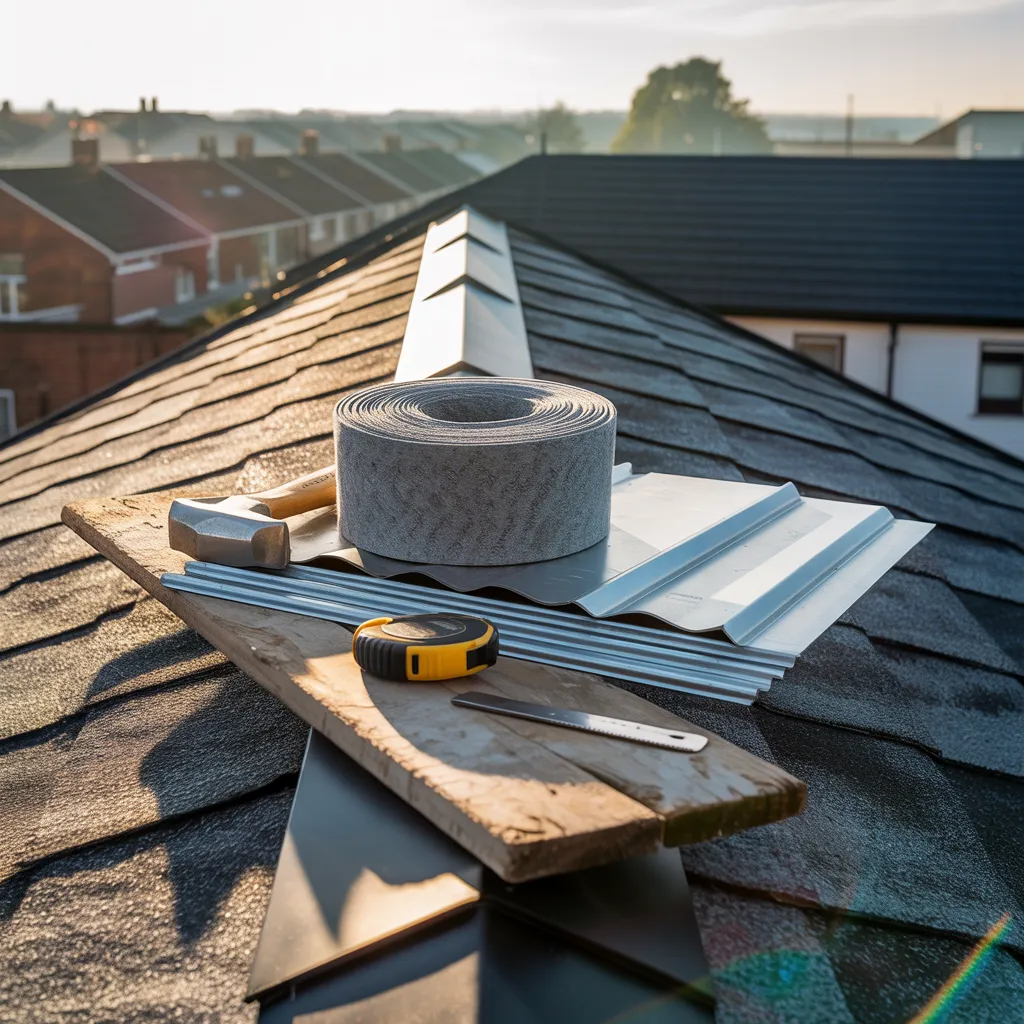
Why Pick an Seasoned Roofing Contractor?
When homeowners look for roof repair options, choosing a skilled contractor can greatly influence the durability and quality of the final result. Seasoned contractors have a store of understanding about different roofing materials and techniques, allowing them to recommend the best options tailored to particular needs. Their knowledge guarantees that installations adhere to industry standards, decreasing the likelihood of future issues.
Furthermore, veteran contractors often have established relationships with suppliers, allowing them to procure high-quality materials at affordable prices. This can lead to a more budget-friendly project without compromising on quality.
Moreover, skilled contractors regularly provide warranties on their work, offering homeowners with peace of mind. This assurance reflects their confidence in the quality they deliver. Ultimately, selecting an skilled roofing contractor not only enhances the immediate result but also contributes to the sustained performance and safety of the home.
How to Realize When You Need to Employ a Roof Company?
What indicators should a resident watch for when deciding whether to contact a roof professional? Spotting the warning signs of roofing problems is crucial for keeping a safe and operational home. Property owners must remain alert for damaged, split, or lifting shingles, which demonstrate likely damage. Moreover, stains showing on ceiling areas or wall surfaces could indicate leaks requiring prompt action. A sagging roofline represents another major danger signal, frequently exposing internal structural damage below the visible surface.
Additionally, elevated energy costs can indicate poor thermal protection or inadequate air circulation caused by roof problems. Regular inspections following harsh weather conditions like storms or heavy snowfall are crucial to catch any developing problems early. If any of these red flags are observed, it is advisable to consult a qualified roofing contractor to evaluate the situation and suggest required repairs or replacements. Prompt action can prevent further damage and guarantee the longevity of the roof.
Perks of Engaging a Qualified Roofing Contractor
Hiring a professional roofing contractor offers significant advantages, particularly in technical knowledge and ability. These contractors are trained to tackle various roofing challenges while ensuring the selection of quality materials. Therefore, this produces durable and reliable roofing solutions that can resist the ravages of time.
Proficiency And Competencies
Although many property owners may contemplate handling roofing projects themselves, the expertise and skills of a professional roofing contractor can significantly enhance the outcome. These specialists have specialized training and broad experience, enabling them to spot potential issues that an untrained eye might overlook. Their skill in various roofing techniques guarantees proper installation, which is critical for longevity and durability. Furthermore, professional contractors stay updated on the latest industry standards and safety regulations, minimizing risks during the project. By leveraging their skills, homeowners can avoid costly mistakes often associated with DIY attempts. Ultimately, hiring a roofing contractor not only delivers higher-quality work but also provides peace of mind, knowing that the roofing system is in capable hands.
Quality Materials Guarantee
A trained roof specialist offers not only understanding but also access to high-quality materials that powerfully determine the durability and performance of a roofing system. By acquiring products from reputable manufacturers, these service professionals guarantee that property owners get materials designed to withstand environmental stresses, such as intense atmospheric conditions. This pledge to excellence lowers the probability of fixes or substitutions in the future, extending homeowners confidence and assurance. Likewise, expert professionals are knowledgeable about the latest industry standards and innovations, allowing them to propose materials that enhance energy efficiency. In essence, the choice to contract a qualified roof expert assures that the roof assignment is completed with top-tier products, resulting in a reliable and long-lasting roof remedy.
Kinds of Roof Materials and Their Lifespan
When examining roofing choices, various materials offer distinct benefits regarding durability. Asphalt shingles, recognized for their affordability, provide a reliable solution, while metal roofing delivers improved longevity and protection to severe weather. Additionally, tile roofing is celebrated for its outstanding durability, making it a worthwhile consideration for homeowners seeking lasting protection.
Asphalt Shingles Overview
Many property owners choose asphalt shingles due to their combination of affordability and longevity. These shingles, made primarily of asphalt and fiberglass, offer a versatile roofing solution. They come in a variety of styles and colors, enabling homeowners to personalize their roofs to match their visual preferences. The typical lifespan of asphalt shingles ranges from 15 to 30 years, depending on the quality and installation. Additionally, they perform well in various weather conditions, resisting wind and rain effectively. Maintenance is fairly straightforward, often requiring only periodic inspections and cleaning. As a commonly employed roofing material, asphalt shingles also provide good fire resistance, contributing to their appeal among homeowners seeking reliable and budget-friendly roofing options.
Metal Roofing Perks
While many homeowners seek longevity in roof options, metal roofing excels as an outstanding choice. Recognized for its remarkable longevity, metal roofs can last 40 to 70 years, significantly outpacing conventional choices like asphalt shingles. They are resistant to a variety of weather conditions, including heavy rain, snow, and wind, making them ideal for diverse climates. Additionally, metal roofing reflects solar heat, contributing to energy efficiency and reducing cooling costs. Its light nature allows for simpler installation and less structural strain. Offered in a range of styles and colors, metal roofs also enhance a home's visual appearance. With minimal maintenance requirements, metal roofing proves to be a smart investment for homeowners prioritizing durability and sustainability.
Tile Strength Findings
Tile roofing delivers another strong alternative for homeowners seeking long-lasting answers. Noted for its durability, tile roofing can resist severe weather conditions, including strong sunlight, substantial rain, and powerful winds. Clay and concrete tiles are the widely common types, each offering unique advantages. Clay tiles are fire-proof and can last over 100 years, while concrete tiles supply cost-effectiveness and flexibility in design. Both types require minimal maintenance and are immune to rot and insects. Furthermore, tile roofing aids energy efficiency by bouncing back sunlight, cutting cooling costs. Nevertheless, it is critical to evaluate the weight of tile roofing, as it may demand extra structural support. Overall, tile roofing stands as a smart choice for durability and endurance.
Evaluating Roofing Work: Key Quality Indicators
When evaluating the condition of roofing work, several key factors emerge that can greatly impact a project's longevity and effectiveness. First, the materials used must meet professional guidelines; high-quality materials guarantee longevity and resist environmental stressors. Second, the application method is critical; improper installation can lead to water damage and structural issues, regardless of material quality. Third, careful consideration in flashing and sealing can prevent water intrusion, a common source of damage.
Moreover, the presence of adequate ventilation is essential, as it helps in regulating heat and humidity within the roofing system. Finally, a reputable contractor will offer guarantees for both materials and workmanship, demonstrating trust in their services. By evaluating these indicators, property owners can make informed decisions about the standard of roofing work and its potential impact on their property value.
Questions to Ask Before Hiring a Roofing Contractor?
How can real estate investors ensure they choose the best roofing professional? To secure a profitable roofing project, real estate investors ought to inquire multiple important questions. To start, they need to question about the contractor's credentials and coverage status to verify their legitimacy and defense against potential liabilities. Following that, it is essential to obtain references from previous clients, giving insight into the contractor's quality of work and dependability.
Furthermore, homeowners should review the anticipated schedule and payment terms for the project, guaranteeing clearness on costs and timeframes. Asking about the materials chosen and their coverage can also expose the contractor's focus on quality and durability. Finally, grasping the contractor's position regarding safety protocols can deliver assurance about the work environment. By considering these concerns, property owners can make educated decisions and select a roofing contractor that fulfills their unique needs.
Selecting the Ideal Roofing Material for Your Requirements
Identifying the optimal roofing material is indispensable for assuring a property's long-term durability and architectural beauty. Varying variables impact this decision, plus climate, budget, and architectural style. Asphalt shingles are sought-after for their affordability and ease of installation, making them appropriate for various property owners. Metal roofs, valued for their longevity and resistance to extreme weather, appeal to those seeking robust solutions.
For a more sustainable alternative, slate and tile provide resilience and a unique look but come at a elevated cost. Additionally, homeowners should weigh energy-saving measures; materials like reflective metal can cut cooling costs.
Ultimately, your decision should reflect both practical demands and personal preferences. Consulting with an experienced roofing contractor can furnish valuable insights, ensuring that the chosen material fits with the property while meeting long-term expectations.
Questions Commonly Sought
How long Does a Typical Roofing Project Take to Finish?
A regular roof job typically needs roughly one to three weeks to finish. Factors impacting the schedule comprise roof size, supplies check article employed, weather situations, and the difficulty of the installation procedure.
What Coverage Do Roofing Contractors Generally Deliver on Their Work?
Roofing contractors customarily extend warranties ranging from 5 to 30 years, based on the materials used and the scope of the project. These coverage plans frequently cover defects in materials and workmanship, guaranteeing enduring protection for clients.
Can You locate financing options for roofing work?
Many roofing contractors provide financial arrangements, including flexible payment schedules, loans, and credit lines. These options can support homeowners handle expenses with greater efficiency, making roofing projects more available without compromising craftsmanship or critical upkeep.
What Steps Should I Take to Look after My Roof Following Installation?
Sustaining a roof after installation requires regular inspections for wear and damage to be necessary. Gutter cleaning, flashing inspection, and ensuring proper ventilation can stop problems, extending the roof's lifespan and preserving its integrity.
What Can I Do if I Spot Leaking Roofs?
Upon noticing roof leaks, the individual should swiftly evaluate for perceptible injury, inspect downspouts, and clear debris. Engaging a professional for a thorough assessment and critical work guarantees long-term protection and prevents further architectural complications.